
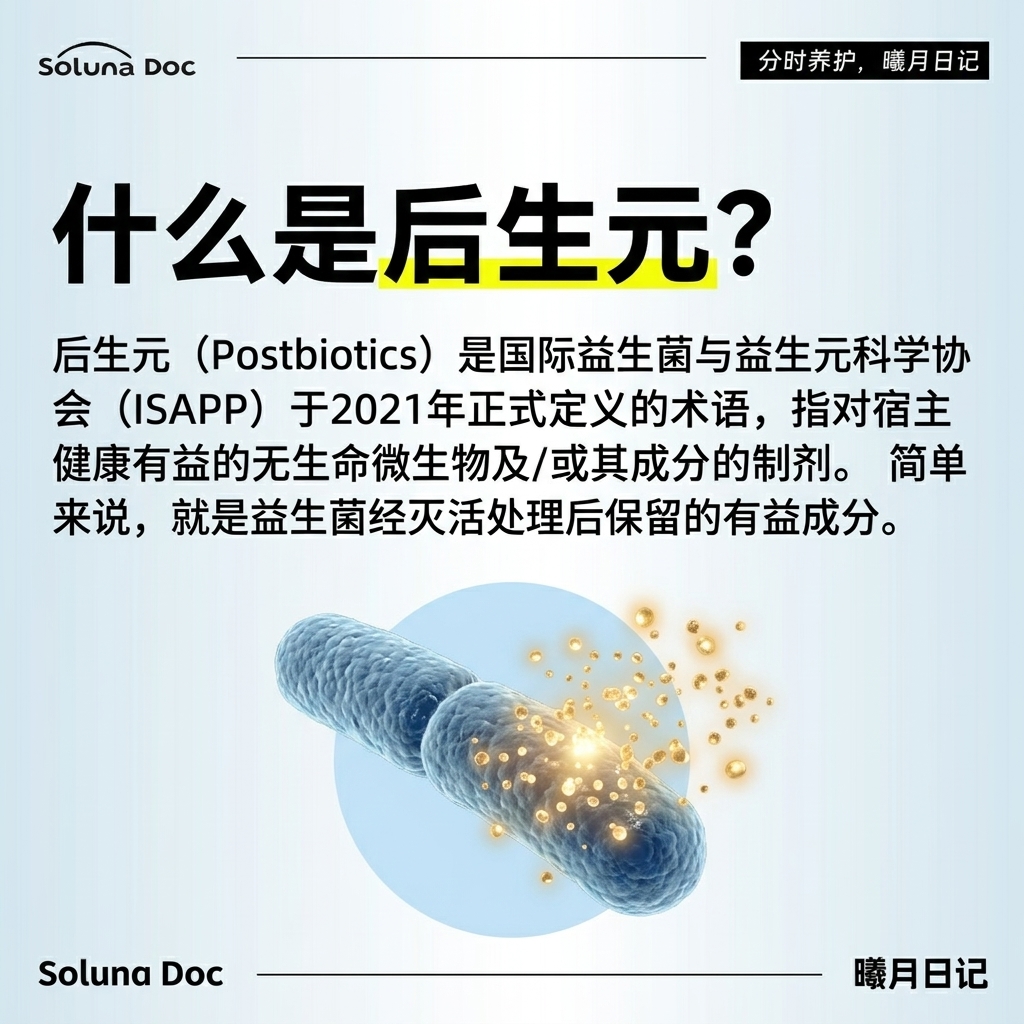


Postbiotics are preparations of inanimate microorganisms and/or their components that confer a health benefit on the host (formally defined by the International Scientific Association for Probiotics and Prebiotics, ISAPP, in 2021) [1]. Three core characteristics set them apart: first, they are obtained from probiotics through specific inactivation processes, retaining the biological activity of cell structures and metabolites; second, they are highly stable — heat-tolerant, acid-tolerant and shelf-stable, with no refrigeration required; third, they do not have to arrive in the gut "alive" to support immune regulation and gut-barrier function. Postbiotics are primarily studied in the context of children's gut health, immune support, allergy-risk reduction and sleep support [6].
The Discovery and Development of Postbiotics
Research on postbiotics traces back to the early 20th century, when scientists discovered that inactivated microorganisms could also modulate immune responses. It was not until 2021, however, that ISAPP published the formal scientific definition of postbiotics [1], marking the field's transition into an era of standardized research. In recent years, as gut-microbiome science has deepened and inactivation technologies have matured, postbiotic products have grown rapidly worldwide, with especially promising prospects in children's nutrition and immune health [3].
Main Types and Components of Postbiotics
Based on their source and composition, postbiotics fall into the following main categories [3]:
- Inactivated microorganisms: whole cells inactivated through heat treatment and similar processes, such as inactivated Lactobacillus and Bifidobacterium strains, which retain immune-active cell-wall components such as peptidoglycan and lipoteichoic acid.
- Yeast-fermentation postbiotics: such as EpiCor®, obtained by fermenting whole cells of Saccharomyces cerevisiae and then inactivating them; rich in bioactive compounds including beta-glucan, mannan oligosaccharides and polyphenols [2].
- Short-chain fatty acids: such as butyrate and propionate — key metabolites produced when probiotics ferment dietary fiber, playing an important role in maintaining the gut barrier and a balanced inflammatory response.
- Cell-wall fragments: such as yeast beta-glucan, which can be directly recognized by immune cells and help activate innate immune responses.
5 Key Ways Postbiotics Support Children's Health
- Gut-microbiota balance: the inactivated cells and metabolites in postbiotics encourage the growth of beneficial bacteria and help limit less-desirable organisms, helping establish a healthy gut microbial balance.
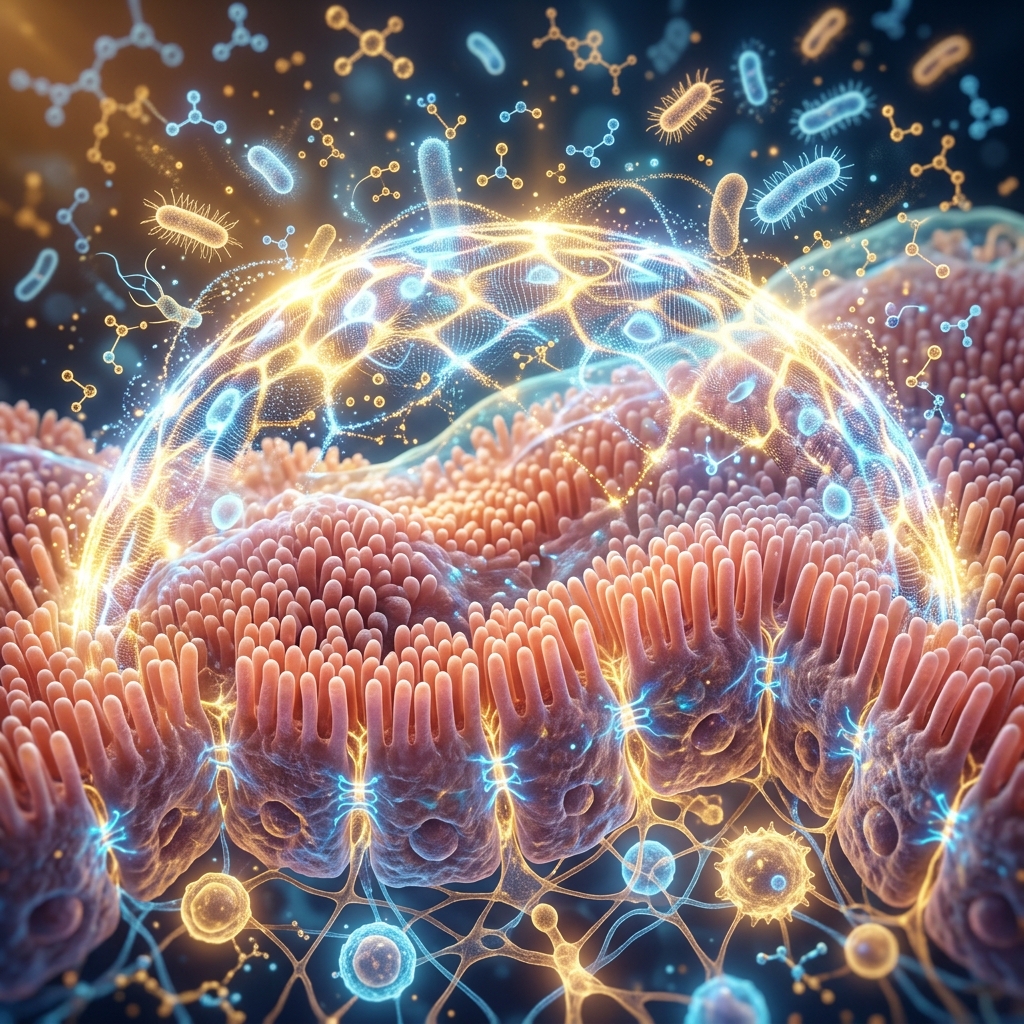
- Immune-barrier support: cell-wall components of inactivated bacteria (such as peptidoglycan and lipoteichoic acid) can activate macrophages and NK cells and help raise secretory IgA (sIgA) levels, strengthening the mucosal line of defense [5].
- Allergy-risk support: research suggests that specific inactivated strains may help moderate allergic responses and contribute to lowering children's allergy risk.
- Digestive comfort: postbiotics support gut motility and can help ease constipation, diarrhea and colic — common digestive complaints in children.
- Nutrient absorption: a healthy gut environment supports the absorption of key minerals such as calcium, zinc and iron, backing children's overall development.
Postbiotics vs Probiotics vs Prebiotics: A Side-by-Side Comparison
| Dimension | Probiotics | Prebiotics | Postbiotics |
|---|---|---|---|
| Definition | Live beneficial microorganisms | Food ingredients that feed probiotics | Inactivated microorganisms and their components |
| Representative examples | LGG, Bb-12 | Fructooligosaccharides, stachyose | Inactivated cells, EpiCor |
| Live bacteria required? | ✅ Yes | ❌ No | ❌ No |
| Stability | Lower | High | Very high |
| Storage | Usually refrigerated | Room temperature | Room temperature |
| How they work | Colonize the gut | Feed probiotics | Directly modulate immune responses |
The Safety of Postbiotics: Why Do Inactivated Bacteria Still Work?
Many people are skeptical that "dead bacteria" can be beneficial. In fact, inactivated bacteria work differently from live ones — but no less importantly. Inactivated cells still retain intact cell-wall structures, and components such as peptidoglycan and lipoteichoic acid can be recognized by human immune cells (such as Toll-like receptors), thereby activating immune responses [5]. Moreover, because inactivated bacteria cannot multiply in the body, there is no risk of microbial overgrowth, giving them a favorable safety profile suited to a wider population, including people with weakened immunity.
Take EpiCor as an example. This postbiotic ingredient, produced by fermenting and inactivating Saccharomyces cerevisiae, has been shown in clinical studies to rapidly activate NK cells, help raise sIgA levels and support balanced immune responses [2].
How to Choose a Postbiotic Drink Mix
When choosing a postbiotic drink mix (solid beverage), we suggest evaluating it across three dimensions:
- Strain types and counts: give preference to products containing clinically studied strains, such as LGG (Lactobacillus rhamnosus GG, with more than 1,200 published studies) [4] and Bb-12. The number and diversity of strains are also useful indicators.
- Scientific backing: check whether the product uses patented strains, cites authoritative literature, or includes imported patented ingredients such as EpiCor.
- Formula transparency: high-quality products fully disclose the ingredient list, the amount of each strain and patent numbers. Be cautious with products that have overly simple formulas or unclear labeling.
Frequently Asked Questions About Postbiotics
Postbiotics is a term formally defined by the International Scientific Association for Probiotics and Prebiotics (ISAPP) in 2021, referring to preparations of inanimate microorganisms and/or their components that confer a health benefit on the host. Simply put, they are the beneficial components retained after probiotics are inactivated, including cell structures and metabolites.
Probiotics are live microorganisms that must remain alive through processing and storage; postbiotics are inactivated microorganisms and their components that confer benefits without needing to be alive. The core advantages of postbiotics are higher stability (heat-tolerant, acid-tolerant and shelf-stable), a strong safety profile (suitable even for people with weakened immunity), and efficacy that does not depend on live-cell survival rates.
Postbiotics do include inactivated ("dead") probiotics, but the effectiveness of inactivated bacteria is a scientifically validated fact. Inactivated cells still retain intact cell-wall structures and metabolites, which can be recognized by immune cells and help activate immune responses. Multiple clinical studies have confirmed that inactivated bacteria have clear effects in modulating the gut microbiota and supporting immune barriers.
Thanks to their high stability and favorable safety profile, postbiotics are suitable for children. The appropriate age depends on the product formula; postbiotic drink mixes (solid beverages) are generally suitable for children aged 3 and above. Check the product label or consult a pediatrician.
Take 1-2 stick packs at a time. They can be taken directly by mouth (dry), or dissolved in 100 ml of warm water (below 40°C) and stirred until even. Avoid using water that is too hot, so as not to damage the live probiotic components.
No. One of the core advantages of postbiotics is their high stability — heat-tolerant, acid-tolerant and shelf-stable. Simply store them in a cool, dry place at room temperature. This is a key advantage over traditional probiotics.
The safety of postbiotics has been confirmed by extensive research, and side effects are uncommon. Because they consist of inactivated microorganisms and metabolites, there is no risk of live bacteria multiplying out of control — their safety profile is comparable to or better than that of traditional probiotics, and they suit a wider range of people.
When choosing a postbiotic product, consider whether it uses clinically studied strains (such as LGG and Bb-12), whether it includes imported patented postbiotic ingredients (such as EpiCor), how transparent the formula is, how many patents it holds, and the manufacturer's credentials. Soluna Doc uses more than 10 patented strains and 4 imported patented strains, with a fully transparent formula.
Yes. Using postbiotics and probiotics together (the three-in-one approach) can deliver greater benefits. Probiotics provide live cultures that can colonize the gut, prebiotics serve as "food" for probiotics, and postbiotics directly help modulate immunity and the gut barrier. Each plays its own complementary role.
Postbiotics can be taken flexibly throughout the day, but following the timed-nutrition concept, daytime servings with beta-glucan and EpiCor help support immune activity, while nighttime servings with GABA, magnesium and zinc support deep sleep and bone development. Soluna Doc's "Morning Boost, Evening Calm" dual formula is designed on exactly this science.
Discover the Soluna Doc Postbiotic Drink Mix
14 probiotic strains (including imported patented strains such as LGG and Bb-12) + 3 prebiotics + EpiCor postbiotics — Morning Boost, Evening Calm timed nutrition
View Product Details →References
- Salminen S, et al. "The International Scientific Association of Probiotics and Prebiotics (ISAPP) consensus statement on the definition and scope of postbiotics." Nat Rev Gastroenterol Hepatol. 2021;18(9):649-667.
- Jensen GS, et al. "EpiCor Fermented Product: Characterization of a Novel Health Supplement." J Agric Food Chem. 2013;61(42):10026-10034.
- Aguilar-Toalá JE, et al. "Postbiotics: An evolving term within the functional foods field." Trends Food Sci Technol. 2018;75:105-114.
- Szajewska H, Kołodziej M. "Systematic review with meta-analysis: Lactobacillus rhamnosus GG for treating acute gastroenteritis in children." Aliment Pharmacol Ther. 2015;41(6):563-572.
- Vinderola G, et al. "The non-bacterial world within the gut: From microbes to yeasts, their role in health and disease." Front Microbiol. 2022;13:1060224.
- Wegh CAM, et al. "Postbiotics and Their Potential Applications in Early Life Nutrition." Nutrients. 2019;11(4):843.