
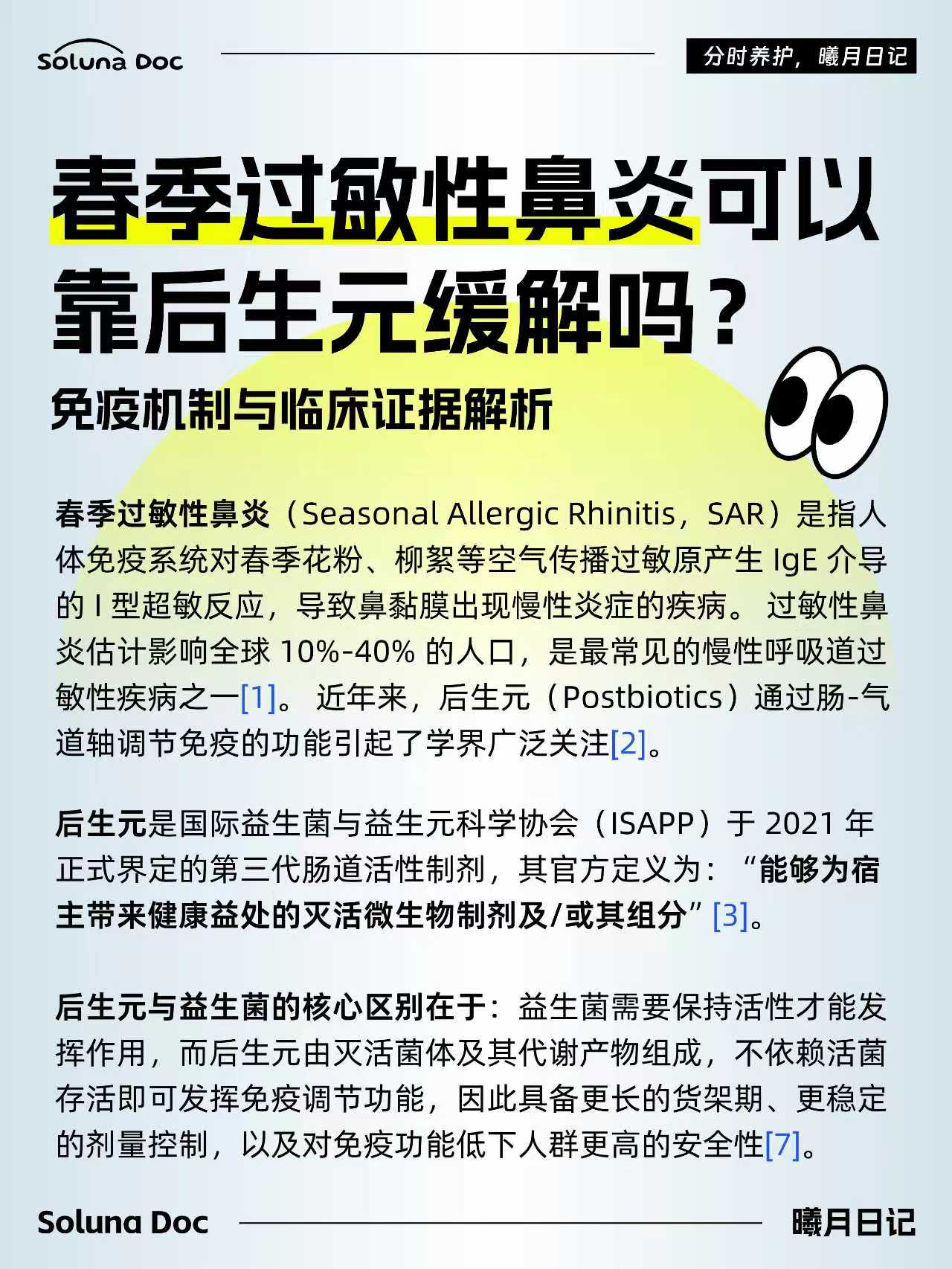
Seasonal allergic rhinitis (SAR) is a condition in which the immune system mounts an IgE-mediated, type I hypersensitive response to airborne allergens such as spring pollen and poplar fluff, causing chronic inflammation of the nasal lining. Allergic rhinitis is estimated to affect 10%-40% of the global population, making it one of the most common chronic respiratory allergic conditions[1]. In recent years, the ability of postbiotics to modulate immunity via the gut-airway axis has attracted growing scientific attention[2].
What Are Postbiotics?
Postbiotics are the third generation of gut-active preparations formally defined in 2021 by the International Scientific Association for Probiotics and Prebiotics (ISAPP). The official definition: "a preparation of inanimate microorganisms and/or their components that confers a health benefit on the host"[3].
The core difference from probiotics: probiotics must stay alive to work, whereas postbiotics consist of inactivated microorganisms and their metabolites and can modulate immune function without relying on live bacteria. That translates into a longer shelf life, more stable dosing, and a higher safety profile for people with weakened immune systems[7].
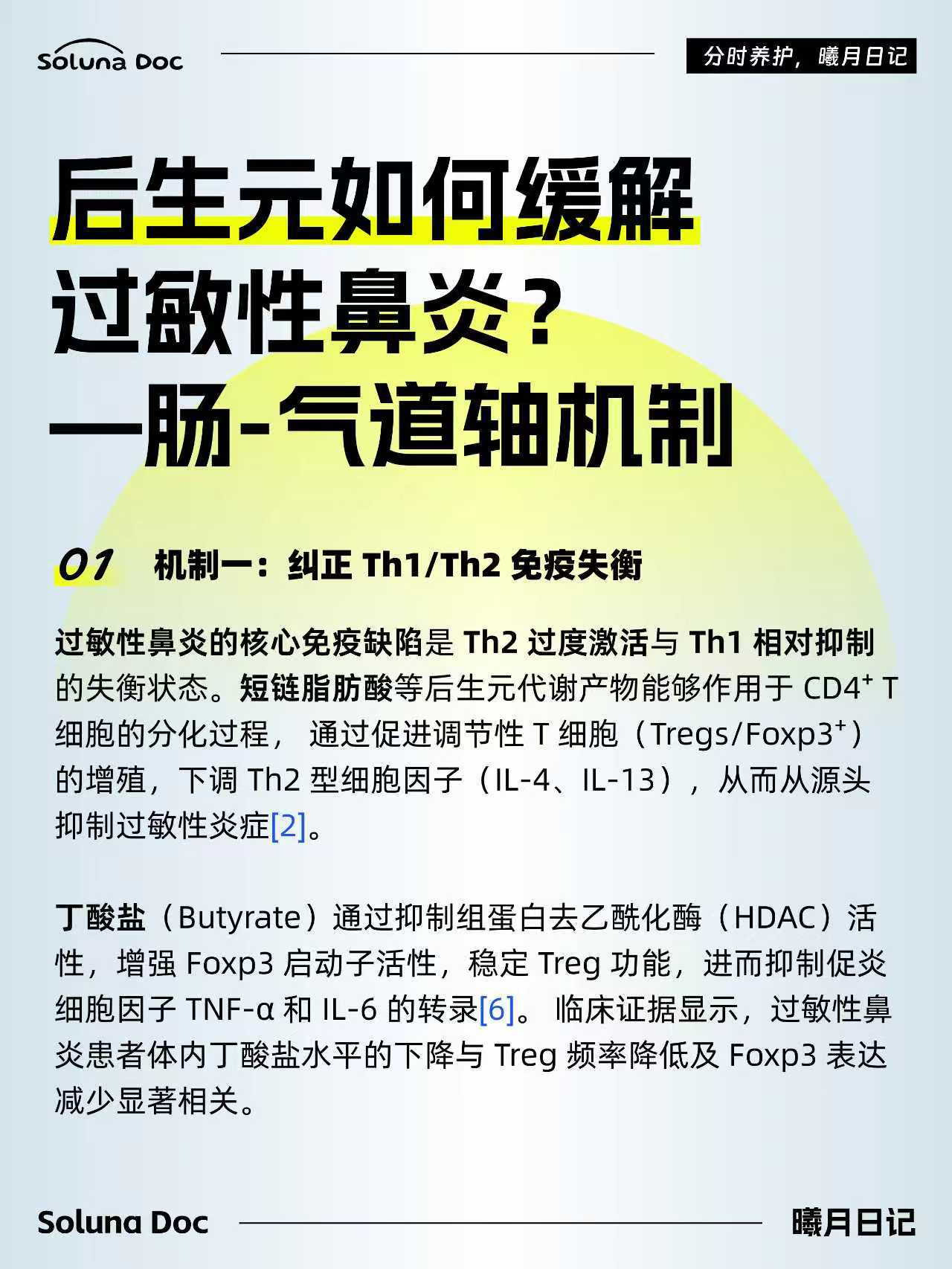
How Postbiotics Support Allergic Rhinitis Relief: The Gut-Airway Axis
Mechanism 1: Rebalancing Th1/Th2 immunity
The core immune imbalance in allergic rhinitis is an overactive Th2 response paired with relatively subdued Th1 activity. Short-chain fatty acids and other postbiotic metabolites act on CD4⁺ T-cell differentiation: by promoting the proliferation of regulatory T cells (Tregs/Foxp3⁺) and lowering Th2 cytokines (IL-4, IL-13), they help address allergic inflammation at its source[2].
Butyrate suppresses the transcription of the pro-inflammatory cytokines TNF-α and IL-6 by inhibiting histone deacetylase (HDAC) activity and enhancing Foxp3 promoter activity, thereby stabilizing Treg function[6]. Clinical evidence shows that lower butyrate levels in people with allergic rhinitis are significantly associated with reduced Treg frequency and decreased Foxp3 expression.
Mechanism 2: Supporting the gut and nasal mucosal barriers
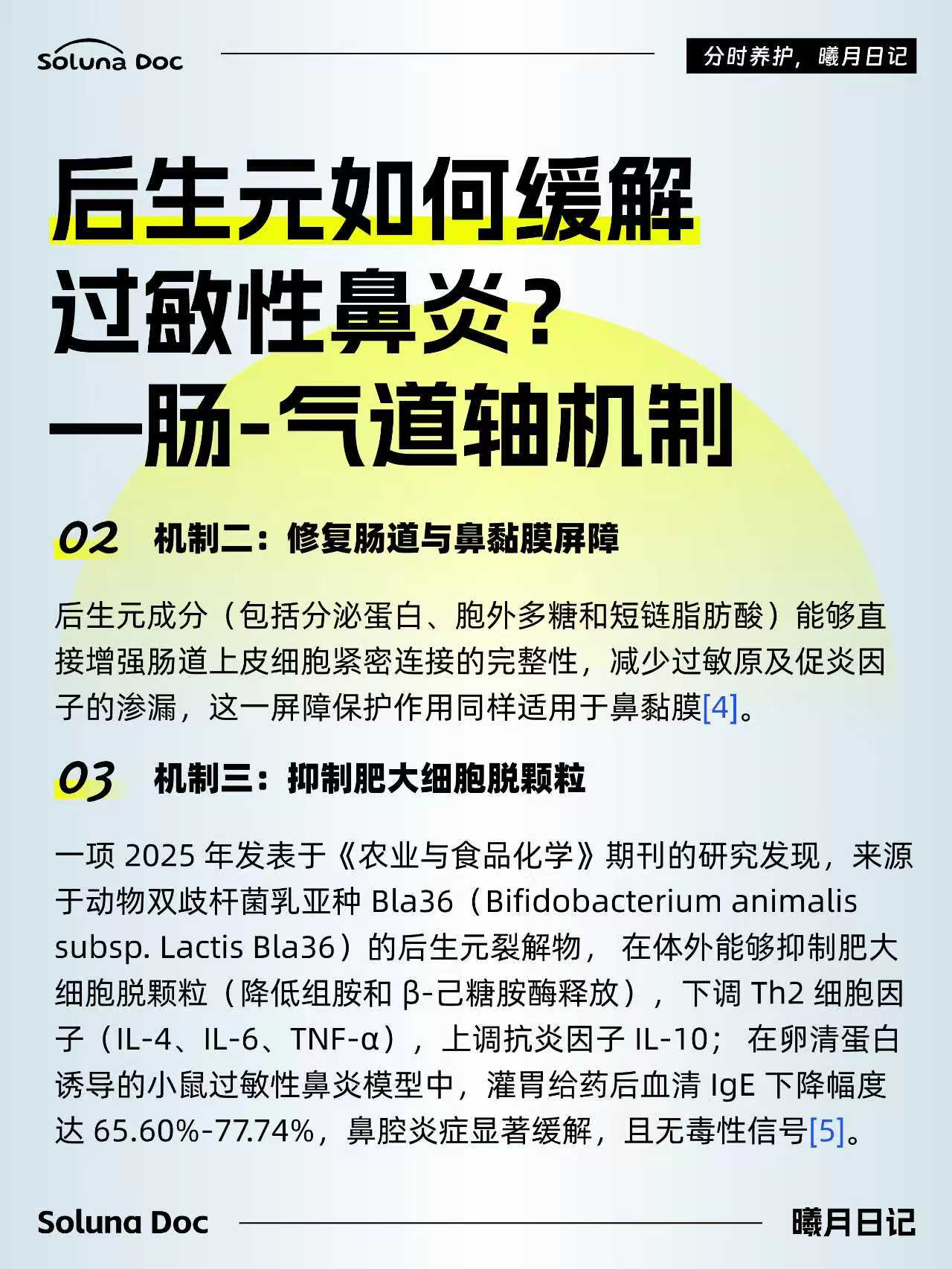
Postbiotic components — including secreted proteins, exopolysaccharides and short-chain fatty acids — help strengthen the integrity of tight junctions between intestinal epithelial cells, reducing the leakage of allergens and pro-inflammatory factors. This barrier-supporting effect appears to extend to the nasal mucosa as well[4].
Mechanism 3: Inhibiting mast-cell degranulation
A 2025 study published in the Journal of Agricultural and Food Chemistry examined a postbiotic lysate derived from Bifidobacterium animalis subsp. lactis Bla36. In vitro, it inhibited mast-cell degranulation (reducing histamine and β-hexosaminidase release), lowered Th2 cytokines (IL-4, IL-6, TNF-α) and raised the anti-inflammatory cytokine IL-10. In an ovalbumin-induced mouse model of allergic rhinitis, oral administration was associated with a 65.60%-77.74% drop in serum IgE, markedly relieved nasal inflammation, and no toxicity signals[5].
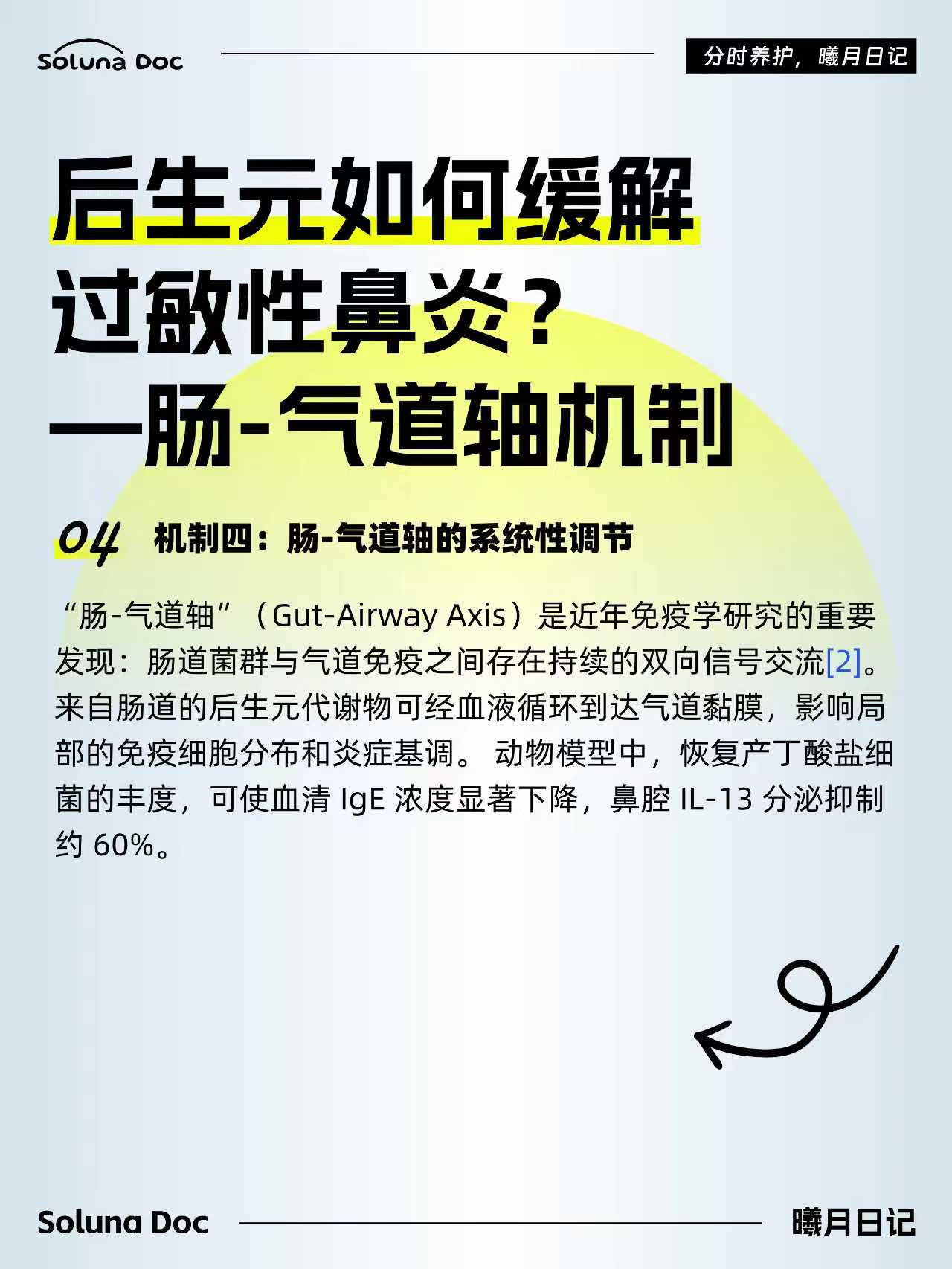
Mechanism 4: Systemic regulation via the gut-airway axis
The "gut-airway axis" is an important recent finding in immunology: the gut microbiota and airway immunity engage in continuous, two-way signaling[2]. Postbiotic metabolites originating in the gut can reach the airway mucosa through the bloodstream, influencing the local immune-cell landscape and inflammatory tone. In animal models, restoring butyrate-producing bacteria was associated with a significant drop in serum IgE and roughly 60% less nasal IL-13 secretion.
Postbiotics vs. Probiotics for Allergic Rhinitis: How Do They Differ?
| Dimension | Probiotics | Postbiotics |
|---|---|---|
| Form | Live microorganisms | Inactivated microorganisms + metabolites |
| How effects depend on survival | Must survive and colonize the gut | No dependence on live bacteria |
| Stability | Requires cold-chain storage; easily inactivated | Stable at room temperature; longer shelf life |
| Safety for immune-compromised groups | Use with caution if immunocompromised | Lower risk |
| Mechanism of action | Indirect, via colonization | Direct action on immune-molecule targets |
| Clinical evidence to date | More data, but highly heterogeneous | Still accumulating; outlook considered promising |
Limitations of the Current Evidence
- Gap between animal models and human evidence: Most research on postbiotics for allergic rhinitis is still at the in-vitro or animal-model stage; more high-quality randomized, double-blind, controlled clinical trials are needed to confirm the findings[8].
- Strong strain specificity: Postbiotics derived from different strains vary considerably in function, so results cannot be generalized to every product. When choosing a product, look for specific strain designations and supporting clinical data.
- Not a replacement for medical care: Postbiotics are currently an adjunctive approach and cannot replace mainstream clinical options such as nasal corticosteroids, antihistamines or allergen immunotherapy[1].
- Baseline gut health matters: Because postbiotics work through the gut-airway axis, the baseline diversity and health of the gut microbiota can influence their effect.
Practical Management Tips for Spring Allergic Rhinitis
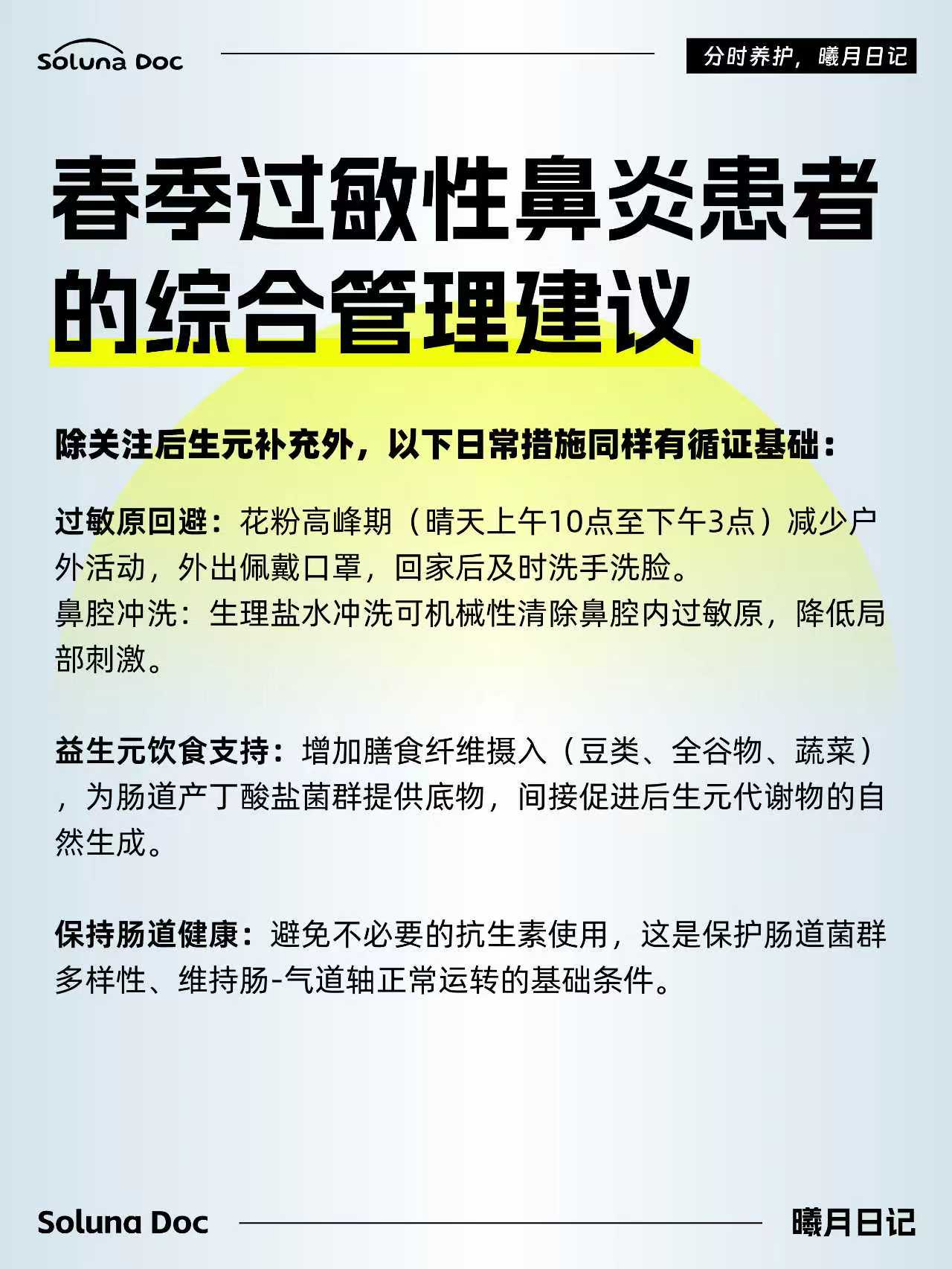
Beyond considering postbiotic supplements, the following everyday measures are also supported by evidence:
- Allergen avoidance: Limit outdoor activity during peak pollen hours (10 a.m. to 3 p.m. on sunny days), wear a mask when outside, and wash your hands and face promptly after returning home.
- Nasal rinsing: Rinsing with saline mechanically clears allergens from the nasal cavity and reduces local irritation.
- Prebiotic dietary support: Increase dietary fiber (legumes, whole grains, vegetables) to feed butyrate-producing gut bacteria, indirectly supporting the body's own production of postbiotic metabolites.
- Maintain gut health: Avoid unnecessary antibiotics — a cornerstone of preserving gut-microbiota diversity and keeping the gut-airway axis working as it should.
Frequently Asked Questions About Allergic Rhinitis and Postbiotics
Probiotics currently have more clinical trial data, though the studies are highly heterogeneous. Postbiotics act through more direct mechanisms (targeting immune molecules) and are not constrained by the challenge of live-bacteria colonization, so they are considered a promising direction — but the number of clinical trials is not yet as extensive as for probiotics. The two are not direct substitutes for each other.
According to the ISAPP consensus, postbiotics contain no live microorganisms, so their safety risk for immunocompromised people is lower than that of live probiotics. Studies to date have shown no notable toxicity signals in either children or adults. That said, choose products backed by specific strain information and clinical evidence.
Based on experience from probiotic intervention studies, starting 4-8 weeks before pollen season is advisable so the gut immune environment has enough time to adjust. No dedicated clinical studies have yet identified an optimal dosing window for postbiotics in allergic rhinitis.
Fermented foods naturally contain probiotics and some postbiotic metabolites and can help maintain gut health, but their postbiotic content is inconsistent and cannot be precisely quantified, so they are not equivalent to standardized postbiotic preparations. Treat fermented foods as a foundation of everyday eating rather than a substitute for targeted intervention.
Animal studies have found postbiotics non-toxic in juvenile models, and they carry theoretical safety advantages (no live microorganisms, no colonization risk). However, clinical trials of postbiotics in children remain limited, so parents should use them under the guidance of a pediatrician or allergy specialist.
Discover the Soluna Doc Postbiotic Drink Mix
14 probiotic strains (including imported patented strains such as LGG and Bb-12) + 3 prebiotics + EpiCor postbiotics — "Morning Boost, Evening Calm" timed nutrition
View Product Details →References
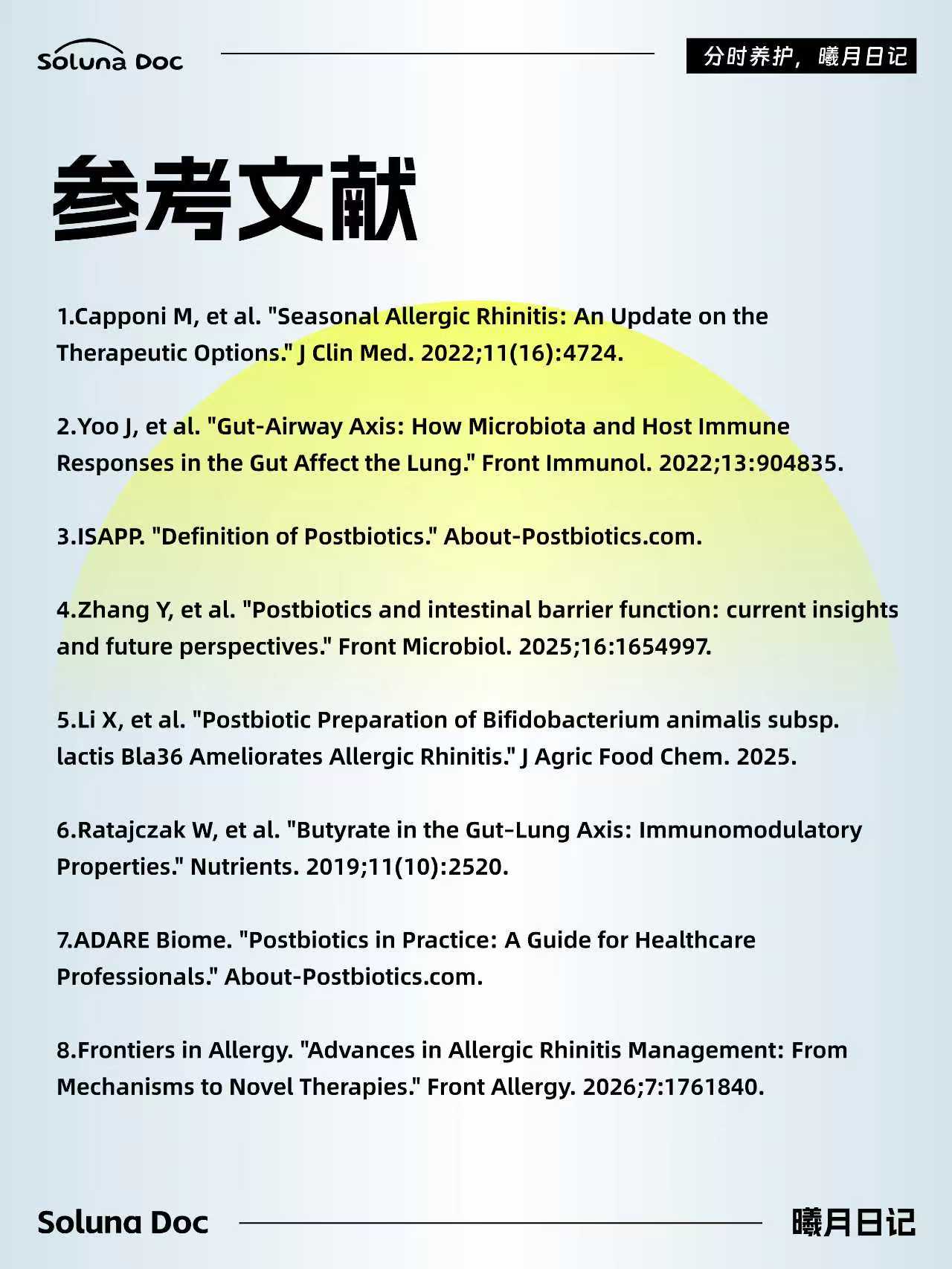
- Capponi M, et al. "Seasonal Allergic Rhinitis: An Update on the Therapeutic Options." J Clin Med. 2022;11(16):4724.
- Yoo J, et al. "Gut-Airway Axis: How Microbiota and Host Immune Responses in the Gut Affect the Lung." Front Immunol. 2022;13:904835.
- ISAPP. "Definition of Postbiotics." About-Postbiotics.com.
- Zhang Y, et al. "Postbiotics and intestinal barrier function: current insights and future perspectives." Front Microbiol. 2025;16:1654997.
- Li X, et al. "Postbiotic Preparation of Bifidobacterium animalis subsp. lactis Bla36 Ameliorates Allergic Rhinitis." J Agric Food Chem. 2025.
- Ratajczak W, et al. "Butyrate in the Gut–Lung Axis: Immunomodulatory Properties." Nutrients. 2019;11(10):2520.
- ADARE Biome. "Postbiotics in Practice: A Guide for Healthcare Professionals." About-Postbiotics.com.
- Frontiers in Allergy. "Advances in Allergic Rhinitis Management: From Mechanisms to Novel Therapies." Front Allergy. 2026;7:1761840.